Loading...
The Healf Source
Lion’s Mane Mushroom: Benefits, Side Effects, And Supplements
The natural nootropic on everyone’s lips, but is this really a brain-boosting and mood-managing powerhouse?
Written by: Stephanie Anderson Witmer
Written on: July 29, 2025
Medically Reviewed by: Jared Meacham, PhD, RD, CSCS and Patricia Weiser, PharmD
Lion’s mane is the natural nootropic on everyone’s lips. But is this mushroom really a brain-boosting and mood-managing powerhouse? Here’s what the research says about lion’s mane benefits, and how to add this supplement into your daily routine.
What is lion’s mane mushroom?
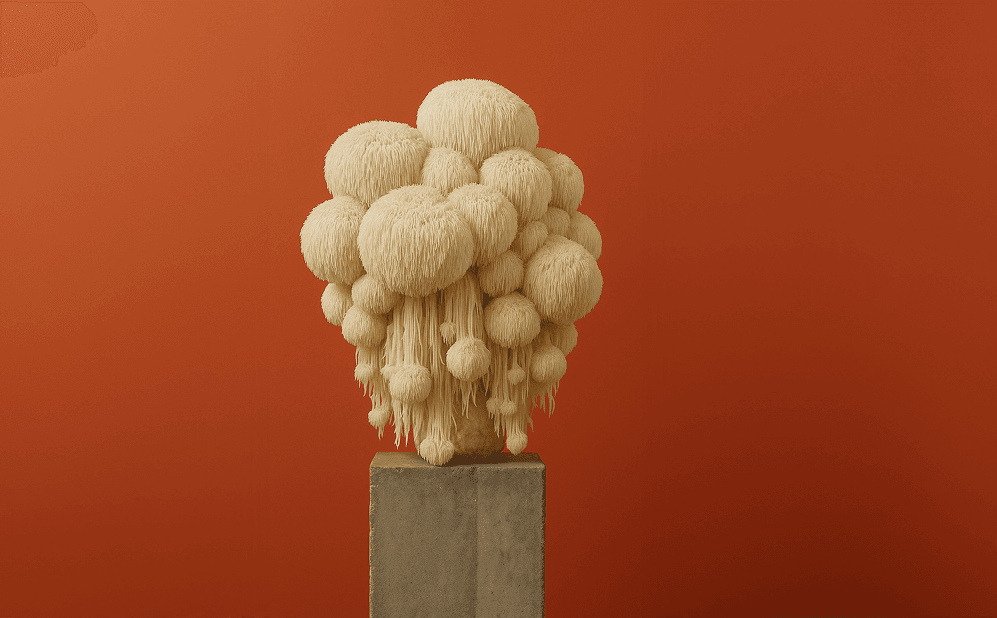
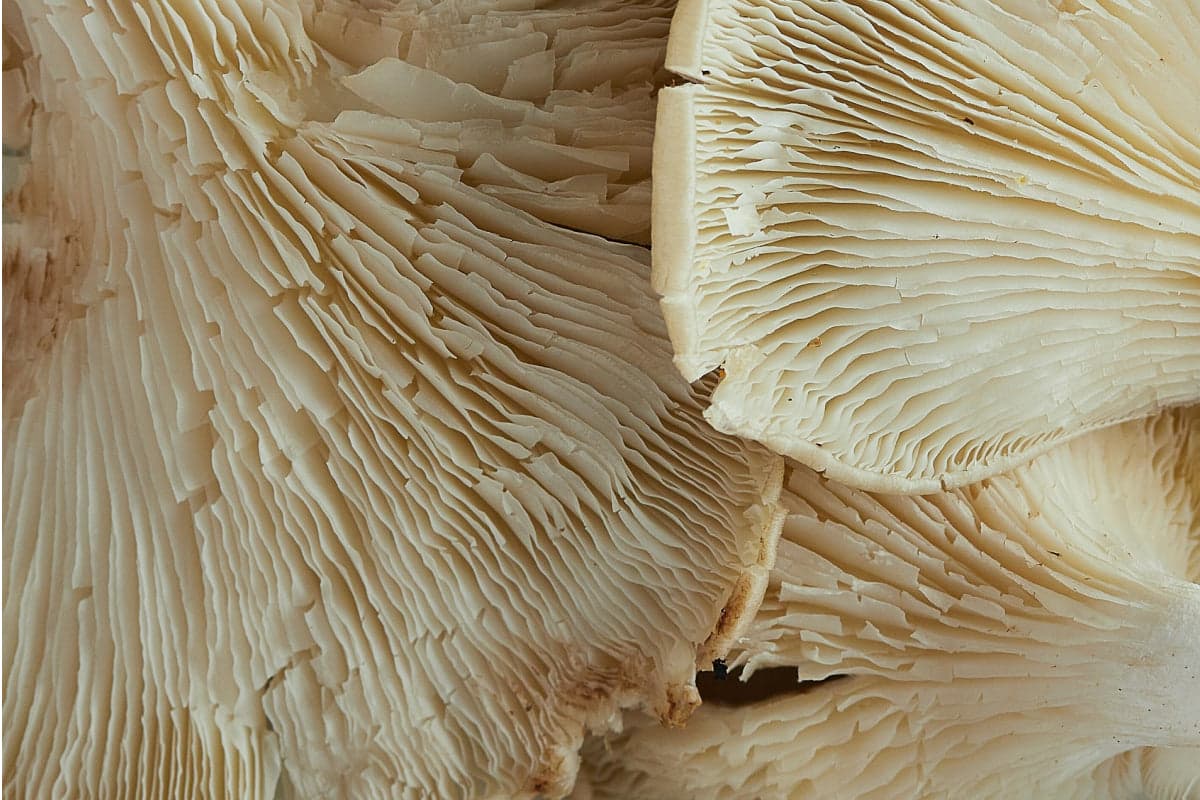
Lion’s mane (Hericium erinaceus) is a white, shaggy-looking mushroom that does somewhat resemble hair or a lion’s mane — hence the name. (It has other fun names, too, including bearded tooth fungus, monkey-head mushroom, and bearded hedgehog.) It grows in parts of North America, Europe, and Asia, typically on dead hardwood trees. Lion’s mane is what’s known in the botany world as a saprotroph, meaning it assists the process of decay and feeds off of the non-living matter.
Lion’s mane mushroom has been used for centuries in traditional Chinese medicine. Today, you can find it in powders, pills, teas, coffees, chocolate, and certainly restaurant menus as a natural way to support the brain and the immune system, aid digestion and improve mood.
“Lion’s mane is one of the most promising tools for modern nervous system and gut support, especially when used over time,” says functional medicine health consultant Iwona Meyer, MA, CFMHC, Dip CNM (Dist.), mANP, rGNC. “What I love is that it doesn’t push, it supports. And when combined with a whole-body approach of nutrition, breathwork, sleep, and movement, it fits perfectly into a functional or naturopathic plan.”

If you’re into wellness, you’ve undoubtedly heard about lion’s mane mushroom — and maybe even tried it yourself. The fab fungi feels like it’s everywhere, from farmers markets to chemist shops. Fans tout its benefits for focus, mood, and more.
But does it really help, or is it mostly hype? Here’s a breakdown of lion’s mane’s benefits, how it works, and whether it lives up to its reputation as king of the mushrooms.
Top health benefits of lion’s mane mushroom
What is lion’s mane good for? Perhaps the better question is: What isn’t it good for?
Lion’s mane is packed with powerful bioactive compounds that are anti-inflammatory, antioxidant, antimicrobial, and neuroprotective. These properties offer far-reaching benefits across the body.
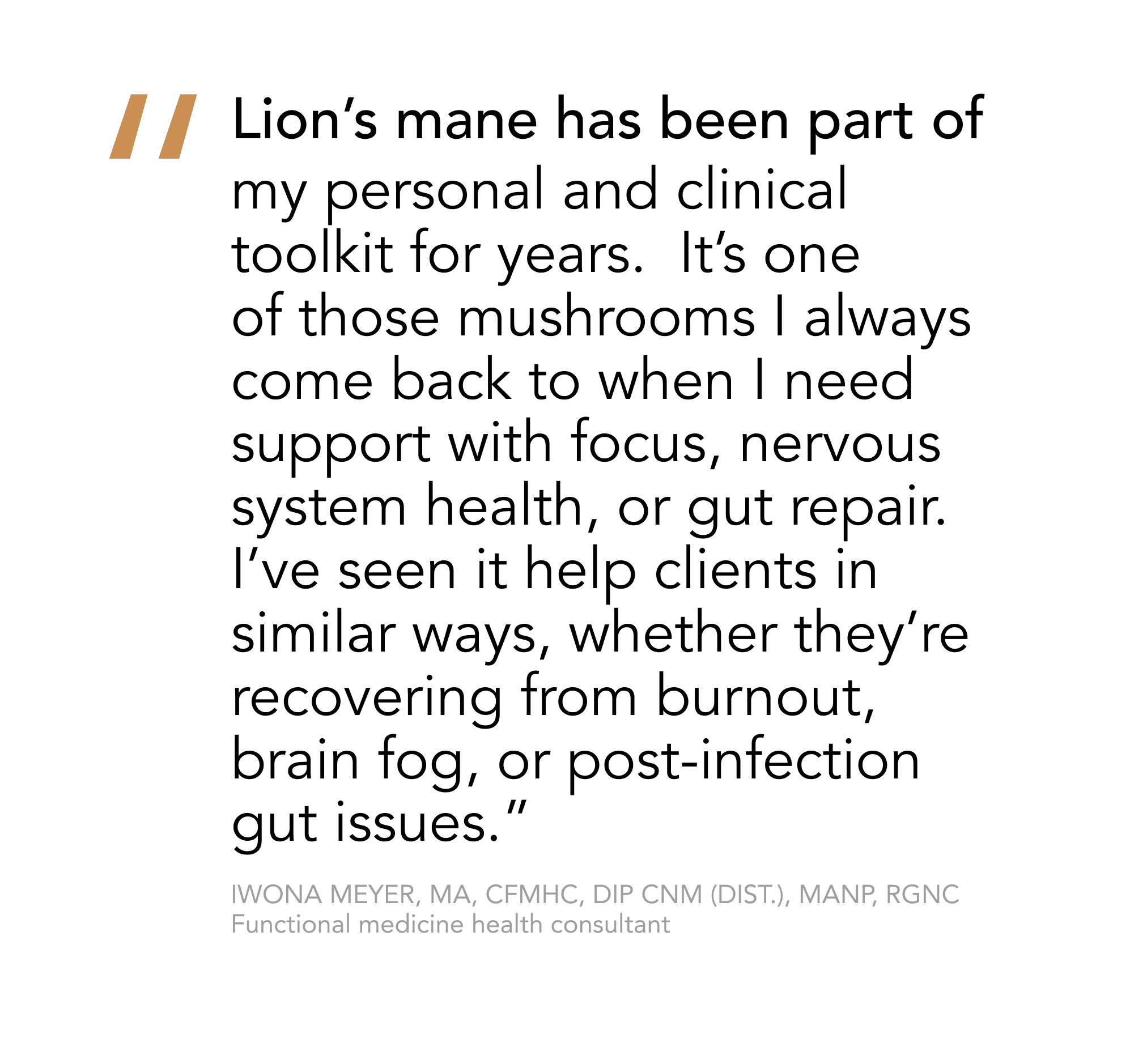
“Lion’s mane has been part of my personal and clinical toolkit for years,” Meyer says. “It’s one of those mushrooms I always come back to when I need support with focus, nervous system health, or gut repair. I’ve seen it help clients in similar ways, whether they’re recovering from burnout, brain fog, or post-infection gut issues.”
Here’s what lion’s mane does in the body.
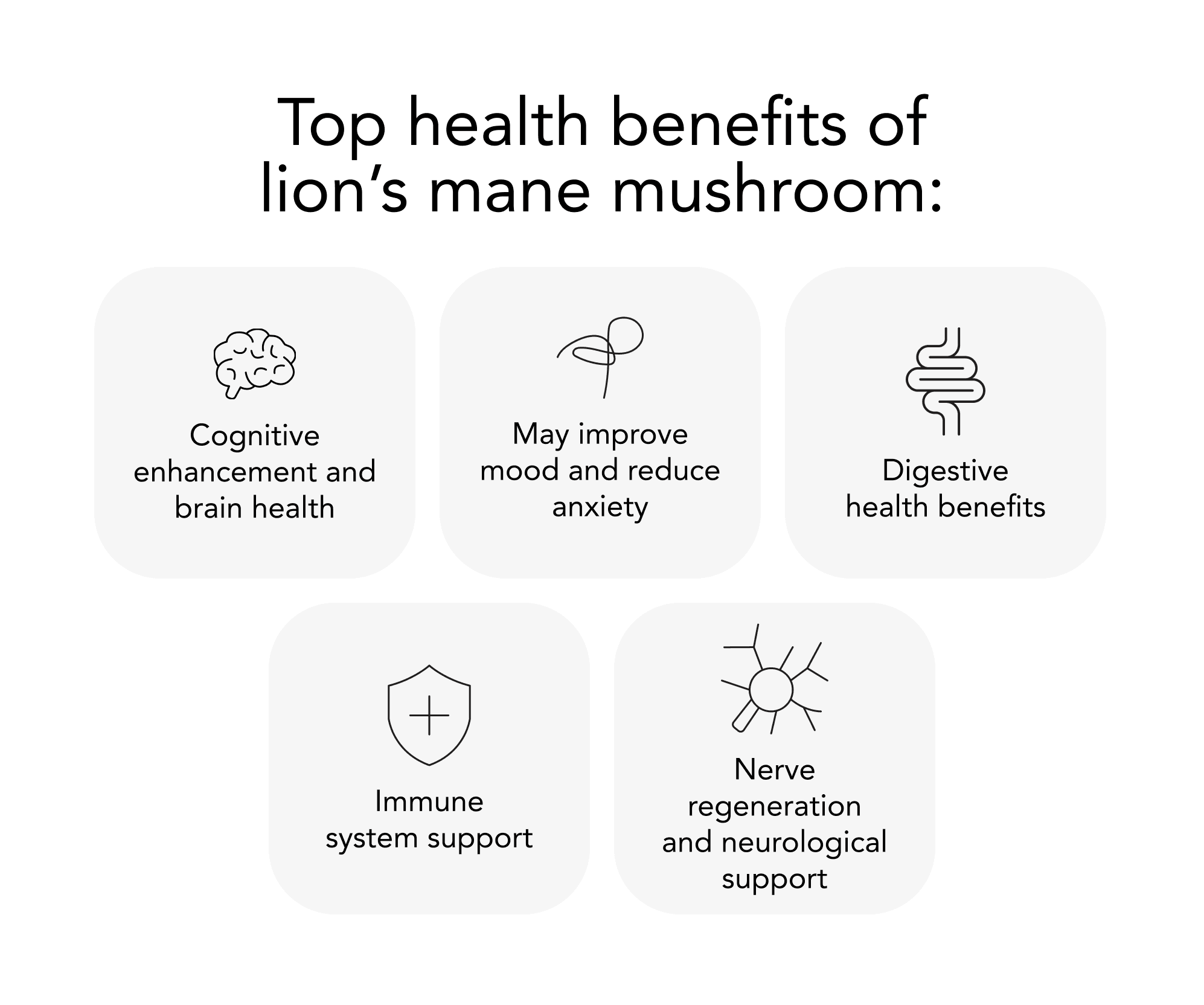
Cognitive enhancement and brain health
Lion’s mane is considered a natural nootropic: a substance that has benefits for the brain and cognitive function. The mushroom contains lots of powerful chemical compounds, including terpenoids called hericenones and erinacines. Erinacines cross the blood-brain barrier, and both have potential antioxidant, anti-inflammatory, and neuroprotective benefits.
Other compounds in the mushroom are phenolic acids, which can reduce oxidative stress. Polysaccharides (beta-glucans) support the immune system, lower inflammation, act as antioxidants, and may even have anti‑cancer effects.
The mushroom stimulates the production of nerve growth factor, a protein that’s crucial for the growth, maintenance, and survival of neurons. NGF is thought to play a role in memory formation and long-term brain health and may offer protection against Parkinson’s disease and Alzheimer’s disease.
A small randomised, double-blind, placebo-controlled study found that healthy younger adults ages 18 to 45 who consumed 1.8 g of lion’s mane had faster cognitive processing in the short term (60 minutes afterward) and a trend towards greater stress reduction over a longer term (28 days) than those who didn’t.
That said, not all studies have found cognitive benefits. For example, one small trial in college-aged adults found that taking lion’s mane daily for four weeks had no effect on thinking skills or metabolic flexibility, suggesting results may vary based on individual response.
May improve mood and reduce anxiety
Lion’s mane doesn’t just help you think better — it might also help you feel better.
While there’s not a ton of high-quality research in this area yet, the findings are promising.
A small, older study found that menopausal women who consumed lion’s mane cookies for four weeks reported reduced anxiety and irritation compared to a placebo group. While more research is needed, scientists believe the mushroom’s impact on NGF may help regulate brain circuits involved in emotion.
Another study found significant improvements in depressive-anxious symptoms and in sleep quality in overweight adults after consuming lion’s mane extract for eight weeks. The mushroom’s active compounds increased brain-derived neurotrophic factor (BDNF), a protein that supports neuron growth and resilience in the brain.
Lion’s mane’s anti‑inflammatory properties and action on BDNF may help regulate serotonin, dopamine, and norepinephrine to further boost mood.
“What makes lion’s mane so special is its unique ability to support both the gut–brain axis and the regeneration of nerve tissue, offering benefits not just for memory and mood, but also for the microbiome and emotional resilience,” Meyer says. “I’ve used it for years, both personally and with clients, and I always come back to it for brain fog, gut–brain axis support, and when someone’s nervous system feels a bit ‘frayed.’”
Digestive health benefits
Nutritional therapist and health coach Khadija Sami, DipCNM, regularly uses lion’s mane in her own practice, as well. “I’ve found lion’s mane especially beneficial for individuals dealing with gastrointestinal issues,” she says. “While lion’s mane offers a wide range of so many potential benefits, these are the key areas where I’ve personally seen the most noticeable results, both in my own experience and in working with my clients.”
Sami adds that lion's mane has well-documented anti-inflammatory properties and supports the healing of intestinal permeability (AKA “leaky gut”). It’s a good source of prebiotic fibre, which is food for beneficial gut bacteria.
Sami also cites its potential to relieve abdominal pain and promote the repair of the gut lining, which can help ease discomfort, particularly in people with irritable bowel syndrome (IBS) or irritable bowel disease (IBD).
Meyer adds: “In clinic, I often use lion’s mane with clients recovering from gut infections like H. pylori, especially when there’s brain fog, low mood, or poor focus involved. It’s one of my go-tos when I see clients who feel mentally slowed down or disconnected after long-term stress, burnout, or antibiotic use.”
Immune system support
Between 70% to 80% of our immune cells live in our gut. This mushroom’s role in gut health may also include supporting immunity. Research suggests lion’s mane increases the activity of the intestinal immune system.
Lion’s mane is also rich in vitamins and minerals that are crucial for keeping our immune system in tip-top shape: zinc, selenium, potassium, and B vitamins.
The mushroom also contains antioxidants and anti-inflammatory compounds that may help regulate immune responses and reduce oxidative stress.
Lion’s mane also has antimicrobial benefits. As resistance to antibiotics becomes more widespread, the mushroom may offer a functional alternative for bacterial infections — one that also doesn’t wipe out good gut bacteria at the same time.
Nerve regeneration and neurological support
Perhaps the most fascinating and promising effect of lion’s mane is its neuroregenerative potential. While human studies are still limited, the early data is encouraging.
Erinacines and hericenones encourage production of nerve growth factor to support neuron growth, nerve repair, and protection from neuroinflammation. This opens possibilities for Alzheimer's and Parkinson's disease support.
In animal studies, compounds in lion’s mane have been shown to regenerate damaged nerves and accelerate healing after injury.
Heart health and inflammation
The anti-inflammatory properties of lion’s mane could also play a role in reducing chronic inflammation — a major contributor to heart disease.
Research on humans, though, is limited. Older studies done on animals have shown lion’s mane may also support cardiovascular health by improving fat metabolism and reducing triglycerides.
How to use lion’s mane for maximum benefits
With so many products containing lion’s mane on the market, it can be difficult to know which one to choose. Here’s a rundown of the options:
Capsules
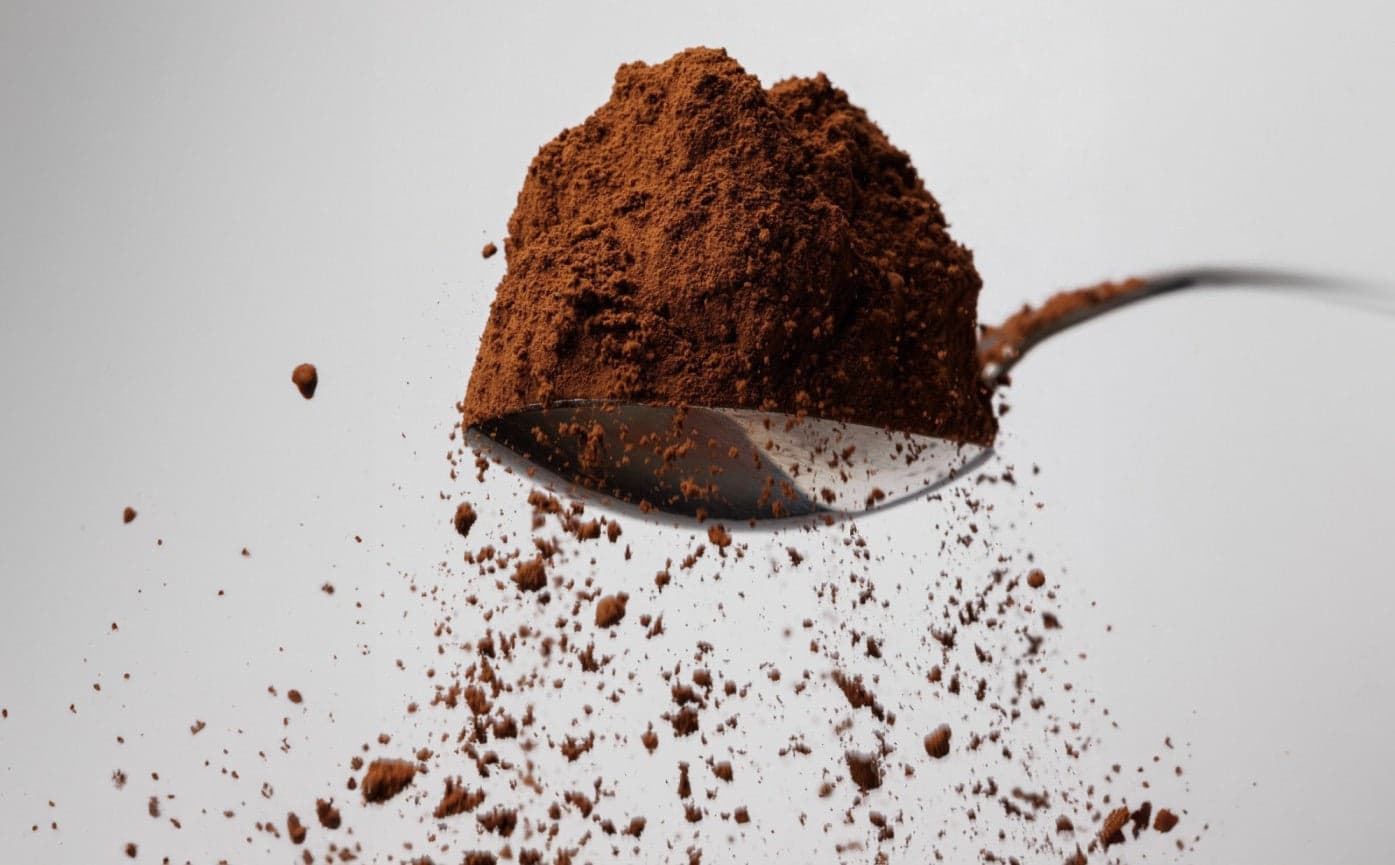
Powders
Coffees and teas
Tinctures
Specialty products, like chocolate or functional beverages
Fresh or dried culinary mushrooms
Meyer and Sami have some recommendations on picking high-quality products that will yield the most benefits for your brain and body.
Certified organic and third-party tested: Make sure the product is certified organic and third-party tested for heavy metals, mycotoxins, and microbial contamination.
Fruiting body or mycelium: Many products are made with the mushroom’s fruiting body (the part of a mushroom you eat), its mycelium (the underground root system), or both. The fruiting body contains hericenones, but wood-grown mycelium contains erinacines, which cross the blood-brain barrier for potential neuroprotective benefits. Sami prefers products that contain both fruiting body and mycelium: “This ensures you’re getting the full spectrum of active compounds,” she says. But Meyer prefers products with 100% fruiting body, as she says they tend to have more active compounds and fewer added starches.
Dual extraction: Dual extraction is a combination of hot water and alcohol extraction. “Hot water extracts polysaccharides and beta-glucans, and alcohol extracts hericenones, erinacines, and terpenoids,” Sami says.
Standardised beta-glucan content: Beta-glucans are immune-modulating compounds in medicinal mushrooms. Choose a product that clearly lists beta-glucan content (ideally 20% or more, both say). If the label just says “polysaccharides,” there may be unwanted added starches.
Suggested dosage
There are no established dosage recommendations for lion’s mane. Every product has different dosages, so be sure to read labels carefully. Always start low and follow product-specific instructions.
“The effective dosage varies depending on the goal,” Sami says. She says about 3 g per day has been studied for cognitive support, and 500 to 1,000 mg once or twice a day is effective for gut health and inflammation.
Check with your GP or other healthcare provider before starting any supplement.
What are the best lion’s mane supplements?
Healf’s curated lion’s mane products include:
Mother Made Brain Lion’s Mane Capsules: These are easy-to-pop capsules containing 450mg of lion’s mane extract, sourced straight from China.
Life Cykel Dual Mushroom Extract with Kakadu Plum: Add a few drops of this liquid to your drink of choice. It’s made from both the fruiting bodies and mycelium through dual extraction.
Bristol Fungarium Lion’s Mane Chocolate Bar: A sweet treat option, this bar is made from ethically sourced 100% organic, sugar-free, vegan artisanal chocolate.
DIRTEA Lion’s Mane Powder: This option is a blend of powdered organic lion’s mane and zinc, meant to swirl into water.
Are there side effects or precautions?
Lion’s mane is generally considered safe and well-tolerated. However, a few considerations apply:
Mild digestive discomfort may occur, especially when starting out or taking large doses. Abdominal discomfort and nausea have been reported.
Allergic reactions are rare but possible. If you’re allergic to mushrooms, steer clear.
There’s limited safety data for people who are pregnant or breastfeeding, so consult your doctor before use.
People with autoimmune disorders should avoid lion’s mane, as it may stimulate immune activity and potentially exacerbate conditions such as lupus or multiple sclerosis, Sami says.
Lion’s mane has properties that can affect clotting and may lower blood pressure and blood sugar levels, Sami says.
Lion’s mane has possible blood-thinning effects, so stop taking it at least two weeks ahead of any surgeries or other medical procedures, Sami says.
Who should consider taking lion’s mane?
Lion’s mane is generally considered to be safe for anyone. With anything, quality and dosage matter. This mushroom may be especially useful for:
Students and professionals looking for sharper focus and higher productivity
Women in perimenopause or others in midlife dealing with brain fog or noticing early signs of cognitive decline
People aiming to boost their immune system and gut health naturally
Anyone looking for a safe addition to their wellness and longevity routines
People recovering from nerve damage
Anyone dealing with chronic stress or low mood
When to consult your healthcare provider
Before adding lion’s mane — or any supplement — to your wellness regimen, speak with your healthcare provider. This is especially important if you:
Take any prescription medications — especially blood thinners, blood pressure or blood sugar medications — or other supplements.
Are pregnant or breastfeeding
Manage a chronic illness, such as an autoimmune disorder
Have had allergic reactions to mushrooms in the past
Plan to have surgery in the next two weeks
The bottom line
If you’re looking for a safe, all-natural nootropic (that also happens to be packed with other good-for-you nutrients), lion’s mane mushroom might be just the ticket. Lion’s mane is a well-known tool for better focus and concentration, but the powerful compounds in lion’s mane can also strengthen cognitive function, boost mood, improve gut health, and support the immune system.
Key takeaways
Lion’s mane mushroom may support brain health, mood, immune function, stress management, digestive health, and nerve regeneration.
Lion’s mane also has anti-inflammatory, antimicrobial, and antioxidant properties.
Lion’s mane is safe for most people and available in many forms, including capsules, powders, and liquid drops.
Choose high-quality, 100% certified organic products with no fillers.
Frequently asked questions (FAQ’s)
What does lion’s mane do to your body?
It may stimulate nerve growth, supports brain and immune function, boosts mood, improves gut health, and may protect against inflammation.
Does lion’s mane give you a buzz?
Nope. Lion’s mane is not psychoactive like magic mushrooms. Instead, it supports clarity and calm focus over time.
Which is better, ashwagandha or lion’s mane?
They work differently. Ashwagandha supports stress resilience and hormone balance, while lion’s mane is best known for cognitive and nerve support. Some people take both for complementary benefits.

This article is for informational purposes only, even if and regardless of whether it features the advice of physicians and medical practitioners. This article is not, nor is it intended to be, a substitute for professional medical advice, diagnosis, or treatment and should never be relied upon for specific medical advice. The views expressed in this article are the views of the expert and do not necessarily represent the views of Healf
Stephanie Anderson Witmer is a freelance health journalist and content writer with nearly 30 years of experience. Her work has been published in top magazines and digital publications, including Prevention, Good Housekeeping, Health, Women's Health, USA Today, Yoga Journal, Parade, and Today's Parent. She's created content for brands, including Hone Health, GoodRx, Weight Watchers, WebMD, CVS Health, UPMC, and others.
- 1. What is lion’s mane mushroom?
- 2. Top health benefits of lion’s mane mushroom
- 3. How to use lion’s mane for maximum benefits
- 4. What are the best lion’s mane supplements?
- 5. Are there side effects or precautions?
- 6. Who should consider taking lion’s mane?
- 7. When to consult your healthcare provider
- 8. The bottom line
- 9. Key takeaways
- 10. Frequently asked questions (FAQ’s)
.jpg&w=3840&q=75)