Loading...
The Healf Source
Are You Eating Fermented Food The Right Way?
Your supermarket aisle favourites may not be providing as many health benefits as you thought. Here's why.
Written by: Serafina Kenny
Written on: August 3, 2026
While fermented foods are all over social feeds right now, they're actually an ancient dietary nutritional powerhouse whose health and wellbeing benefits have been reaped for 13,000 years, long before influencers started eating kimchi out of custom tins.
“Humans have been fermenting foods for thousands of years, initially to preserve them. But fermentation doesn’t just preserve food, it transforms it. It increases the diversity of nutrients and introduces compounds that modern diets tend to lack,” says Dr. Tim Spector, professor of genetic epidemiology at King's College London and co-founder of gut health and science company ZOE, says.
Yet, the way some people consume this prehistoric nutrient-dense food these days actually has them missing out on their key benefit — healthy, live microbes that feed and support your gut. Here's your ultimate guide to parse what you need to know about fermented foods and how to make the most of them in your diet.
What the science actually says about why fermented foods are so great for gut health
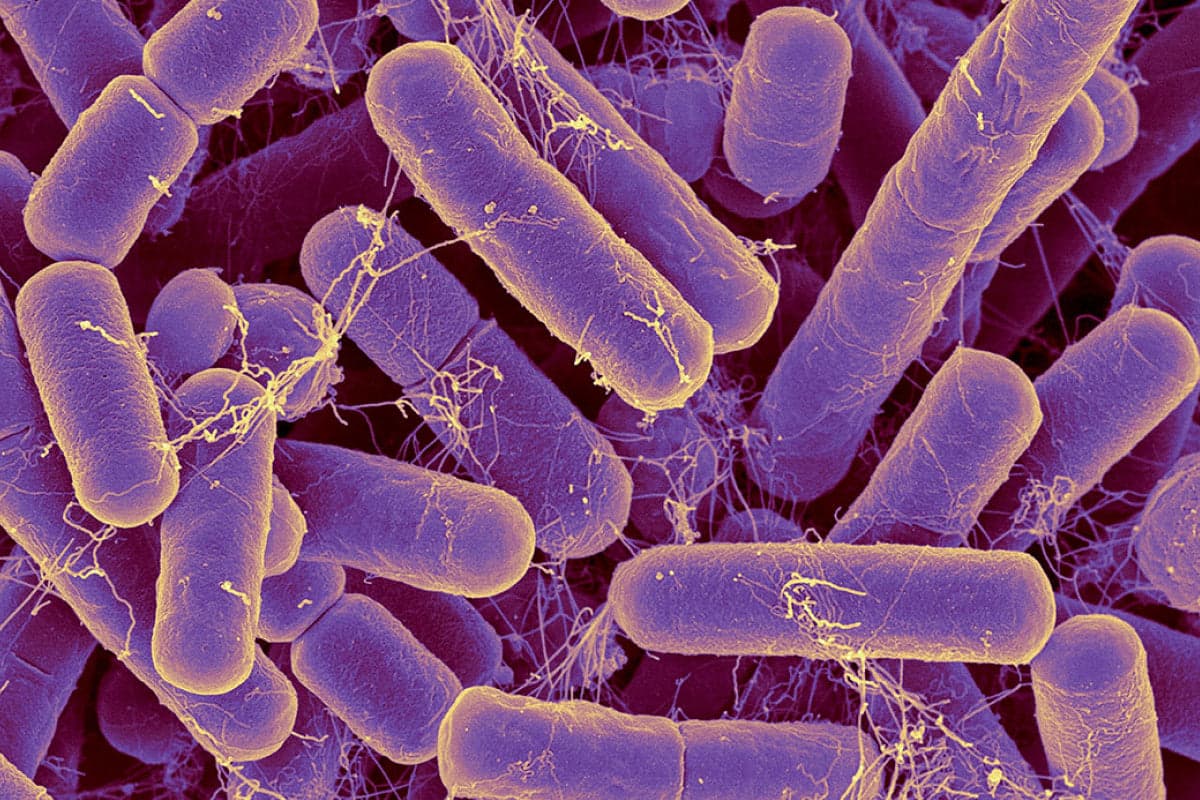
At the most basic level, fermentation occurs when live bacteria and yeasts break down natural sugars present in various foods without using oxygen, which can produce acid, gas, or even alcohol. When you consume fermented foods, that beneficial bacteria and other microorganisms then “interact with your existing gut ecosystem and can help support a more diverse and balanced microbial community,” Dr. Spector says.
In studies, researchers have found that the higher people’s intake of fermented foods, the healthier their gut microbiomes were. (Your gut microbiome is naturally healthier when there is a diversity of microbes present and more bacteria associated with favourable health outcomes).
In fact, fermented foods actually operate on all levels in your gut to support gut microbiome health, from introducing and then sustaining healthy bacteria, to protecting you from harmful ones. They do this through a few key characteristics.
For starters, living microbes produce short-chain fatty acids, "which help maintain the gut lining and mucus layer, strengthening your gut’s defence system," says Dr. Spector. Second, the fermentation process produces postbiotics, compounds like peptides, and other metabolites like vitamins that can "inhibit less beneficial microbes while supporting the ones we want more of,” he adds. And finally, Dr. Spector points out that many fermented foods contain fibre and polyphenols, which also feed and support beneficial gut microbes and "help them thrive".
At the same time, we're increasingly learning just how integral he gut has impacts on our wider wellbeing, too – specifically on our immune system and mental health.
In ZOE’s Ferment Study, for example, “people who added three extra portions of fermented foods per day reported improvements in mood, energy, bloating and hunger,” Dr. Spector says. “That doesn’t mean fermented foods are a treatment for mental-health conditions, but it adds to the growing evidence around the relationship between the gut and brain.”
Why your supermarket pickles probably aren't doing much
Many people assume that the pickled cauliflower or frozen kefir you find on the supermarket shelves is a great fermented pick – but not all tangy foods are created equal.
“Fermented foods are created by microbes transforming the food over time. In the process, they produce acids, enzymes, and beneficial compounds, and in some cases, live microbes are still present when you eat them," Dr. Spector says.
Freezing fermented food can also kill a portion of live, beneficial bacterial cultures, lowering their gut benefits, as ice crystals that form during freezing can rupture the bacteria's cellular walls and the cold can cause other cells go dormant. It all depends on how the food is frozen. Slow freezing actually damages the bacteria more than fast or flash-freezing process. Vegetables tend to be more sensitive and fragile than dairy-based products like kefir and yoghurt. But either way, the process can stress cells, and you'll lose some of the cultures.
On the other hand, heating fermented foods can also kill some of the live microbes, so you should try to eat them cold or add them in near the end of cooking.
Then there's pickling, a common supermarket "fermentation" technique, that actually entails adding vinegar, not nurturing bacterial or yeast cultures. This creates a similar acidic taste to fermentation, but doesn’t allow for the production of the live microbes or beneficial compounds that make fermented foods so gut-healthy.
If you're looking for fundamental and truly fermented foods, some of the most popular include:
- kefir
- kimchi
- kombucha
- sauerkraut
- live yoghurt
- miso
- tempeh
- natto
- traditionally fermented soy sauce
- some cheeses
How much fermented food do you actually need to eat to see a benefit?
You don’t need to eat a full tub of sauerkraut every day to reap all the benefits fermented foods have to offer (unless you want to).
Dr. Spector recommends eating three portions of fermented foods most days, which can be as small and simple as “a few spoonfuls of yoghurt or kefir, a forkful of kimchi, a teaspoon of miso, some tempeh, or a small glass of kombucha,” he says. But consistency always matters more than quantity.
If you’re new to ferments, though, start small and build up your intake gradually. Dr. Spector recommends beginning with one portion a day and increasing over time, making sure to vary the types you eat. “Different foods provide different microbes and compounds,” Dr. Spector says. “The easiest approach is to add small amounts to meals you already eat rather than trying to overhaul your diet."
A practical guide to the best fermented foods and how to work them in daily
The three-small-servings goal is actually a lot easier than you think. You could have yoghurt or kefir with berries, nuts, and seeds for breakfast, add a spoon of sauerkraut or kimchi to your lunch, and use miso or tempeh in your dinner. Or you could swap in a kombucha or water kefir (which is a good option for people who don’t eat dairy) at any point in the day.
The main thing is that you're consistently trying to get a variety of fermented foods into your diet. “Try to rotate between several fermented foods rather than relying on the same one every day and choose products without large amounts of added sugar or unnecessary additives,” Dr. Spector says.
Remember that fermented foods are best consumed alongside a generally healthy, whole-foods-rich diet, because “adding one spoonful of kimchi won’t compensate for a diet dominated by ultra-processed foods,” Dr. Spector says.

This article is for informational purposes only, even if and regardless of whether it features the advice of physicians and medical practitioners. This article is not, nor is it intended to be, a substitute for professional medical advice, diagnosis, or treatment and should never be relied upon for specific medical advice. The views expressed in this article are the views of the expert and do not necessarily represent the views of Healf
Serafina is a freelance journalist covering health, sex and relationships, history, arts, and culture.

.jpg&w=3840&q=75)