Loading...
The Healf Source
Kundalini Breathwork: Ancient Practice Or The Next Big Wellness Hack?
Said to boost energy, improve sleep and calm the nervous system, here’s what’s really happening in the body and whether it actually works.

Written by: Samantha Nice
Written on: October 27, 2025
Breathwork has been having its moment for quite some time and with no sign of slowing down. From ice bath sessions to high-intensity breath holds, everyone seems to be experimenting with new ways to breathe better, feel better and recover faster. But one technique in particular has caught our attention lately and that’s Kundalini breathwork.
Rooted in ancient yogic traditions, this dynamic form of controlled breathing is now trending for its potential to reduce stress, improve focus, enhance recovery and even boost sleep quality. Some swear by the energetic “rush” it creates, while others point to its grounding effects on the nervous system.
But is Kundalini breathwork really a life-changing ritual, or just another TikTok-fuelled wellness phase? We look at the science behind the technique, how it works, and whether it deserves a place in your daily routine.
So, what is Kundalini breathwork?
Kundalini breathwork isn’t your average deep-breathing exercise. It’s an ancient yogic technique that uses the breath to move energy (or “prana”) through the body’s energy centres, known as chakras.
As Alanna Kit, neuroscientist, co-founder of arc and breathwork practitioner, explains, “Kundalini breathwork is a form of particular breathing techniques or rituals, originally rooted in disciplined Indian yogic traditions that focus on moving and awakening energy upwards through the energy centres in the body - often described as a coiled serpent at the base of the spine toward the crown of the head reaching higher levels of consciousness.”
She adds that this idea of “awakening” isn’t just metaphorical. “When you breathe rhythmically and intentionally, you’re literally increasing oxygenation and circulation, which changes how energy moves in the nervous system. The sensations people feel (tingling, warmth, lightness) aren’t imagined… they’re physiological.”
For Carolyn Cowan, creator of Kundalini Global, it’s the immediacy of that shift that makes the practice so compelling. “Conscious breathing takes over the vagus nerve and the diaphragm, which has a very fast effect on calming you down,” she says. “It’s one of the few practices that can interrupt the body’s stress response almost instantly.”
And perhaps that’s why it’s trending now. As Alanna notes, “The recent surge in interest comes from converging trends like breathwork, somatic healing, trauma release and a collective desire for nervous system regulation. People want something they can feel working, not just read about.”
How it works: Energy meets physiology
Behind the spiritual language is a surprisingly scientific process. Kundalini breathwork uses rhythmic, intentional breathing to shift the balance of oxygen and carbon dioxide in the blood by subtly altering brain chemistry and nervous system function.
As Alanna says, “this means activating and harmonizing the autonomic nervous system, improving circulation, releasing stored emotions, and heightening awareness in the mind, body and spirit.”
That deliberate breath pattern can change how neurons fire, creating sensations like tingling, lightness, or even euphoria. It’s a kind of controlled stress that helps train the body to move more easily between fight-or-flight and rest-and-digest - a nervous system workout that’s both ancient and entirely relevant to our overstimulated lives.
Carolyn explains that every breath pattern has a targeted purpose. “Some are designed to energise you like fast, fiery breaths that create heat and focus. Others, like long deep breathing, bring stillness and clarity. What’s interesting is that they all work on the same mechanism… your breath and diaphragm are the remote control for your emotions.”
She often draws attention to how deeply the breath is connected to trauma. “If you think about it, when we’re anxious or frightened, our breath changes instantly and it becomes shallow, fast, irregular. So when we consciously change our breath, we’re telling our brain: ‘I’m safe now.’ That’s what creates that almost magical calm people describe.”
Why it feels different to other breathwork styles
While techniques like Wim Hof or holotropic breathing share similar physiological underpinnings, Kundalini’s focus is broader… part breath science, part spiritual ritual and part emotional release.
Carolyn highlights that Kundalini’s diversity makes it more sustainable than many trend-based methods. “Unlike other forms of yoga and breathwork, Kundalini does short, three-minute breaths that are very transformational,” she says. “They’re accessible and adaptable, meaning you can do a three-minute breath before a meeting, or a full 45-minute kriya in class.”
She also notes that the structure itself (combining breath, posture, mantra and stillness) is what makes the afterglow so unique. “After the breathing, when you sit still, that’s when serotonin and endorphins are released. It’s a natural neurochemical reset that eats your stress hormones. That’s why people feel euphoric after a session.”
Alanna adds that Kundalini integrates multiple dimensions in a single practice. “Kundalini is a more spiritual, devotional ritual with the intention of expanding consciousness,” she says. “Wim Hof focuses on stress resilience and physiological change, while Holotropic breathwork, created by psychiatrist Stanislav Grof, explores deep psychological and emotional healing. Kundalini combines all three… it’s physical, emotional and energetic.”
The benefits: calm, clarity and connection
For some, the practice is a nervous system reset. For others, it’s an emotional release, a spiritual awakening or simply a way to sleep better.
Alanna describes it as a harmonising of the measurable with the mystical. “Because of the rhythmic, intentional breathing, it activates and synchronizes the body’s stress and rest responses, creating a physiological reset that many describe as both energizing and deeply calming.” She also points to the research that supports it: “Breathwork can influence heart rate variability, cortisol levels, and even brainwave activity. When done regularly, it strengthens your ability to regulate emotions and recover faster from stress.”
Carolyn agrees, especially from a trauma-informed perspective. “It’s about learning to sit with yourself,” she says. “When you can take over your body’s stress system and switch it off, you start to feel more at home in yourself. You’re literally rewiring your capacity to cope.” She’s seen clients use it to manage anxiety, process grief and improve sleep. “If you do five minutes of long deep breathing before bed, you’ll fall asleep more easily,” she says. “It’s that simple. You’re reducing adrenaline and increasing the body’s natural calming chemistry.”
Who can try it and how to begin
“You do not need to be ‘spiritually advanced’ at all - just open, curious, and receptive,” says Alanna. “It’s important to build slowly with awareness, because the sensations can be powerful. Start with short sessions and gradually extend as you become more comfortable.”
Carolyn also advocates that it’s for everyone… but with a few caveats. “Certain breath patterns shouldn’t be done during pregnancy or if you have particular health conditions like uncontrolled hypertension, but generally it’s safe for most,” she says. “What matters is intention and consistency.”
Both encourage starting under the guidance of a trained facilitator to understand the nuances of breath rhythms and their effects. But they’re equally passionate about accessibility. Alanna offers online recordings and short guided sequences, while Carolyn runs classes designed specifically for people who’ve never done yoga before. “Sometimes people think it’s all chanting and white clothes,” Carolyn laughs, “but really, it’s about using the breath to feel better. That’s universal.”
Why it’s trending now
In a world that’s constantly in fight-or-flight mode, practices that regulate the nervous system are gold. Kundalini breathwork offers a rare mix of instant effect and emotional depth - something both modern science and ancient wisdom can agree on.
“People are craving peak experiences they can actually feel,” says Alanna. “They want something that connects body and mind without needing years of study. Breathwork gives you that access point almost immediately.”
Carolyn adds that it’s also about empowerment. “You’re not relying on a therapist or a device. It’s you, your breath, and your body. It’s free, portable and always available. That’s a pretty radical form of self-regulation.”
Try this 3-minute beginner Kundalini breath
Even if you’ve never tried Kundalini before, you can start with this short, guided routine to feel the calming, energising effects in just three minutes.
Step 1: Find your space (30 seconds)
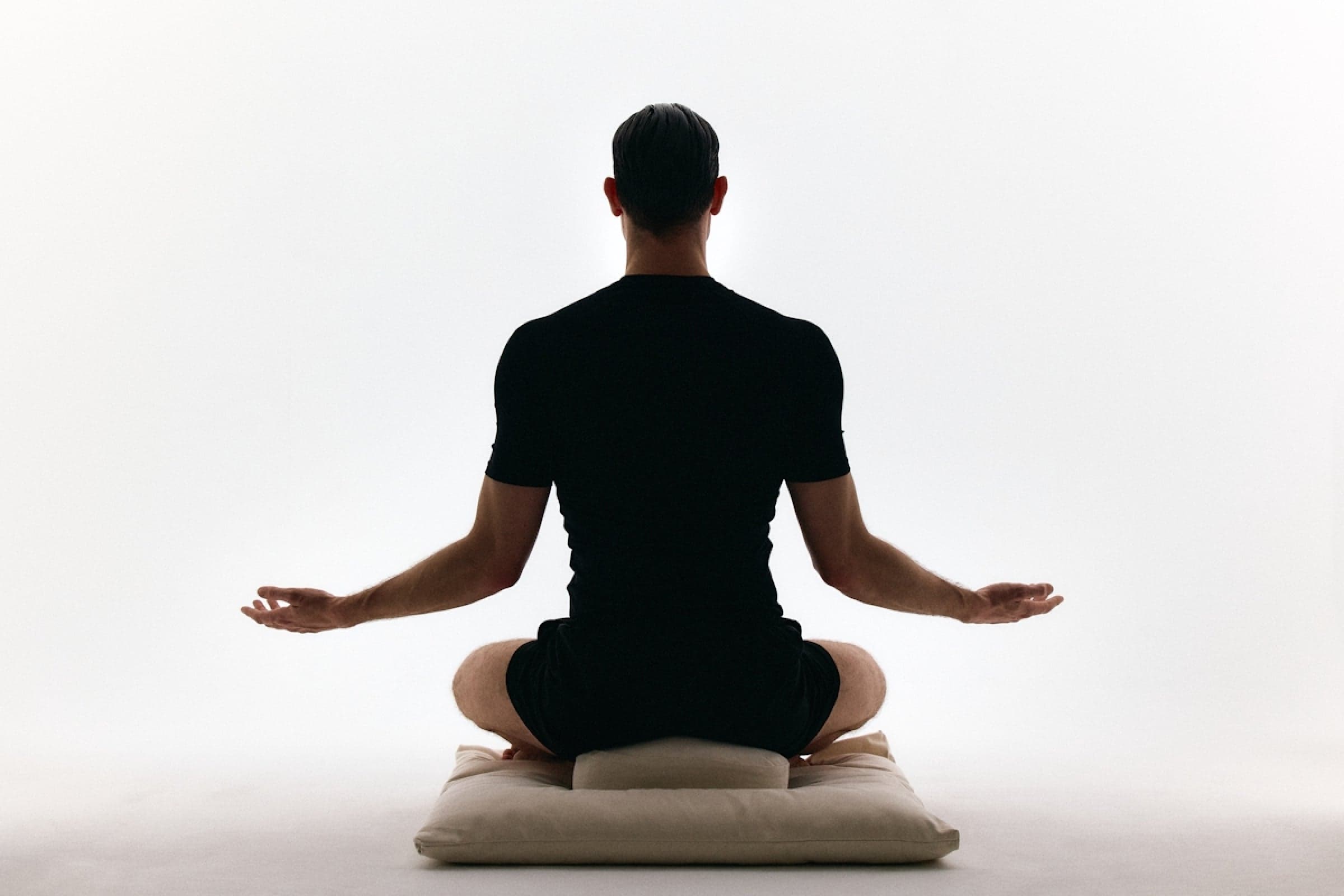
Sit comfortably or lie down, with your spine straight. Close your eyes and notice your natural breath.
Step 2: Breath of fire (1 minute)
Forcibly exhale through your nose, contacting, tightening your belly to empty your lungs. Release the contraction so the inhale is silent, not forced.
Focus on quick, rhythmic breaths driven by your diaphragm, not your chest.
Allow the breath to create a gentle pumping sensation in your belly.
Step 3: Long deep breathing (1 minute)
Switch to slow, deep breaths in through the nose and out through the mouth.
Feel the lungs fill fully and release completely.
Notice your heart rate slowing, and your body softening.
Step 4: Stillness and integration (30 seconds)
Close your eyes fully, relax the jaw and shoulders.
Observe any sensations: tingling, warmth, lightness or calm.
Let your breath return to normal naturally.
Top tip from Carolyn: “After breathwork, sit still, eyes closed and just notice. Most of the initial sensations settle into an extraordinary calm.”
The takeaway
Kundalini breathwork sits at the intersection of biology and belief by regulating the nervous system, awakening energy and offering a tangible sense of calm. Whether you approach it as science-backed or spiritual, both experts agree it’s one of the most direct ways to restore balance in a world of constant stimulation. As Carolyn puts it, “When you think about how awful most people are feeling and fearing, it’s a really lovely way to calm down.” So the next time you feel your mind spiralling or your heart racing, maybe skip the scroll, and take a breath. A Kundalini one.



This article is for informational purposes only, even if and regardless of whether it features the advice of physicians and medical practitioners. This article is not, nor is it intended to be, a substitute for professional medical advice, diagnosis, or treatment and should never be relied upon for specific medical advice. The views expressed in this article are the views of the expert and do not necessarily represent the views of Healf
Samantha Nice is a seasoned wellness writer with over a decade of experience crafting content for a diverse range of global brands. A passionate advocate for holistic wellbeing, she brings a particular focus to supplements, women’s health, strength training, and running. Samantha is a proud member of the Healf editorial team, where she merges her love for storytelling with industry insights and science-backed evidence.
An avid WHOOP wearer, keen runner (with a sub 1:30 half marathon) hot yoga enthusiast and regular gym goer, Samantha lives and breathes the wellness lifestyle she writes about. With a solid black book of trusted contacts (including some of the industry’s leading experts) she’s committed to creating accessible, well-informed content that empowers and inspires Healf readers.